


Maggie’s Centre
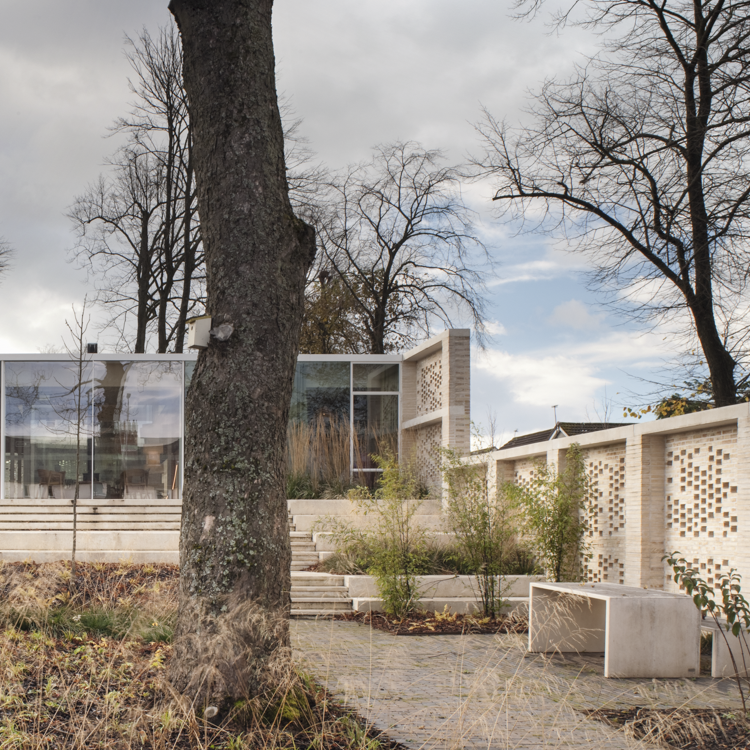
Description
Maggie’s Lanarkshire is a project of quiet dignity and architectural nuance — a healing space designed to support people affected by cancer. The building forms part of the Maggie’s Centre network, each commissioned with the ambition to explore how architecture can meaningfully improve wellbeing.
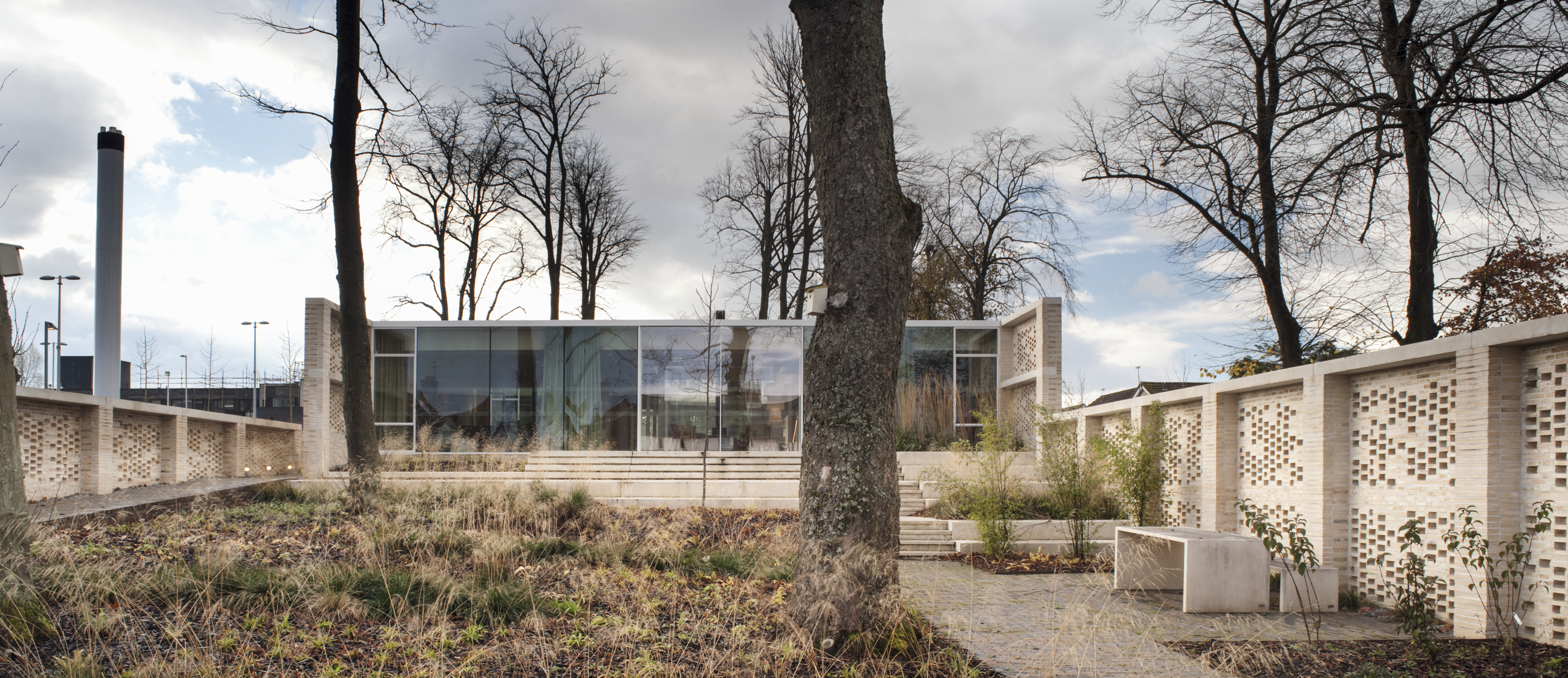
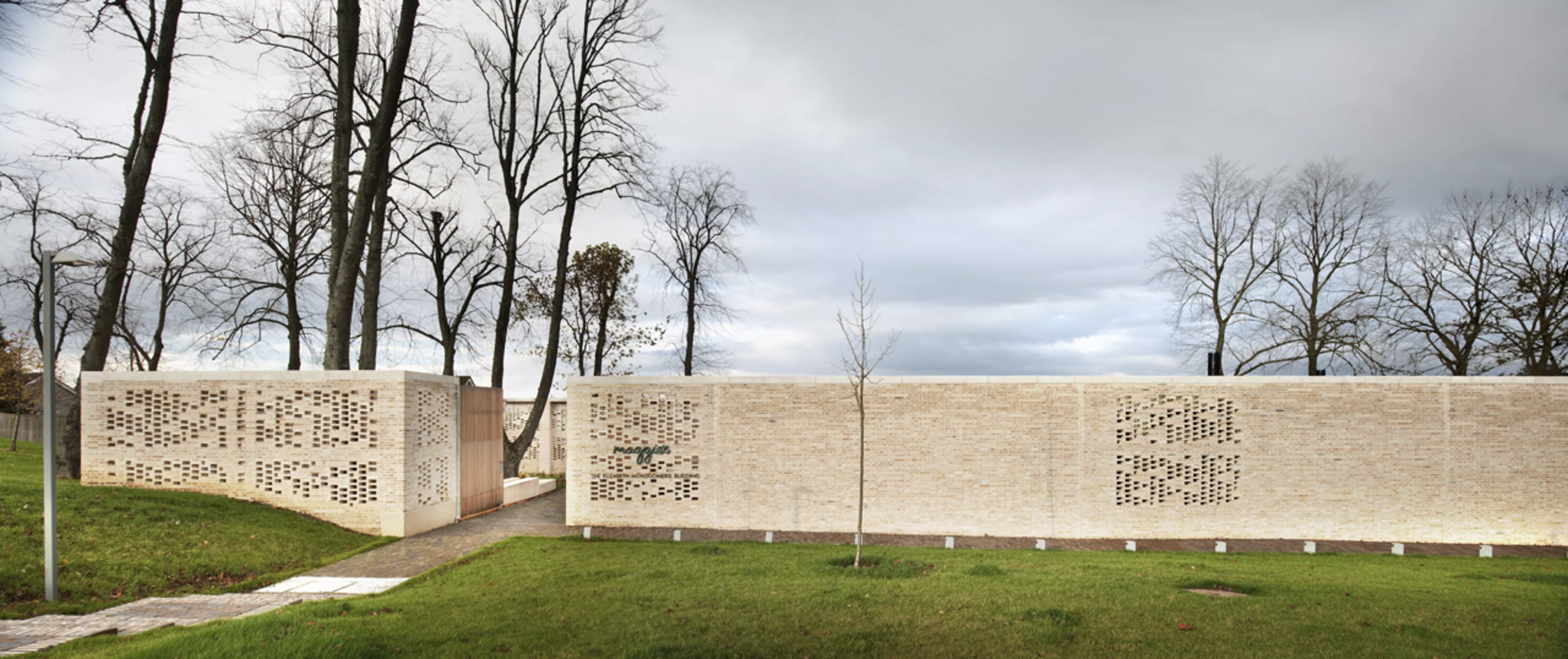
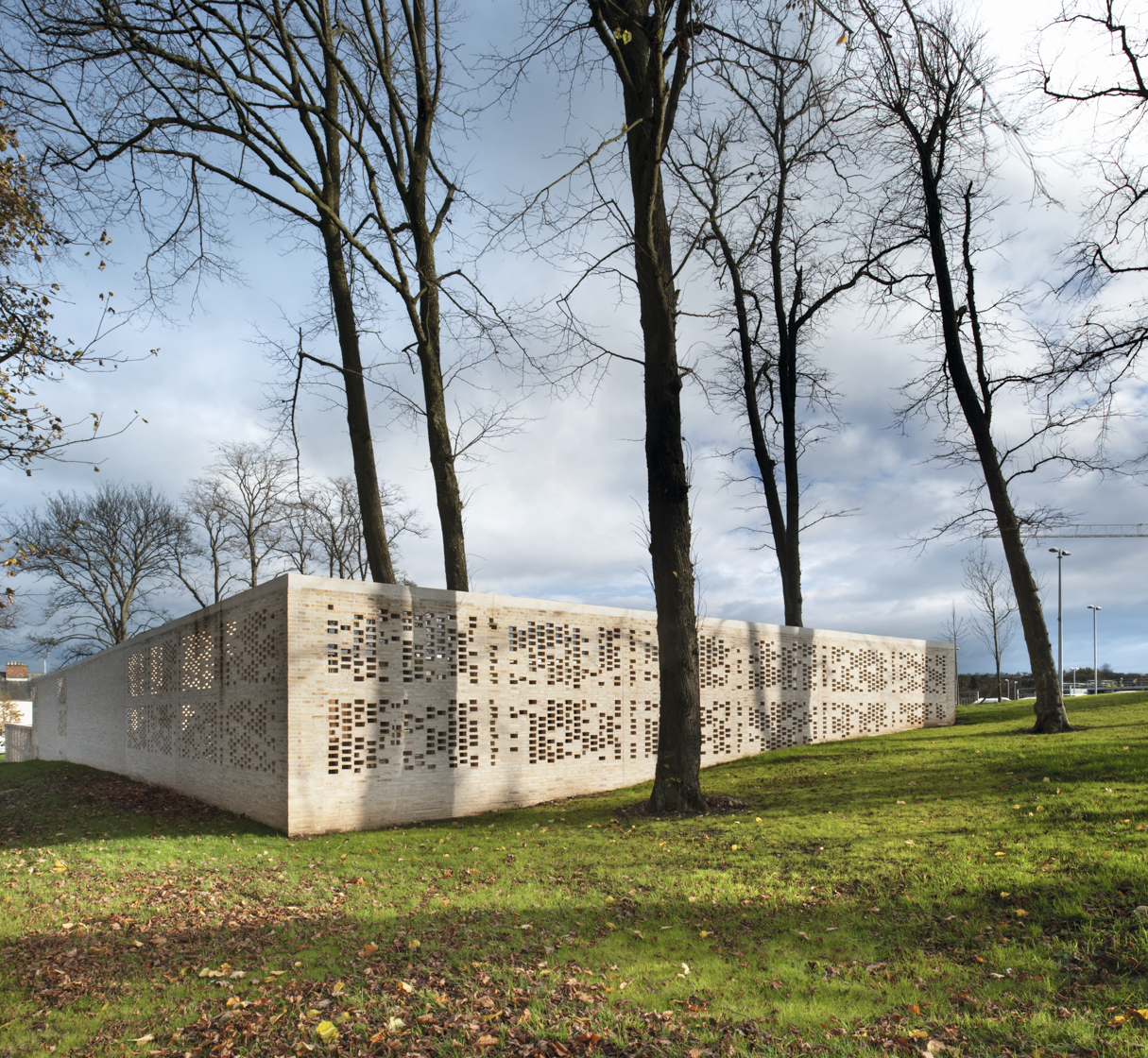
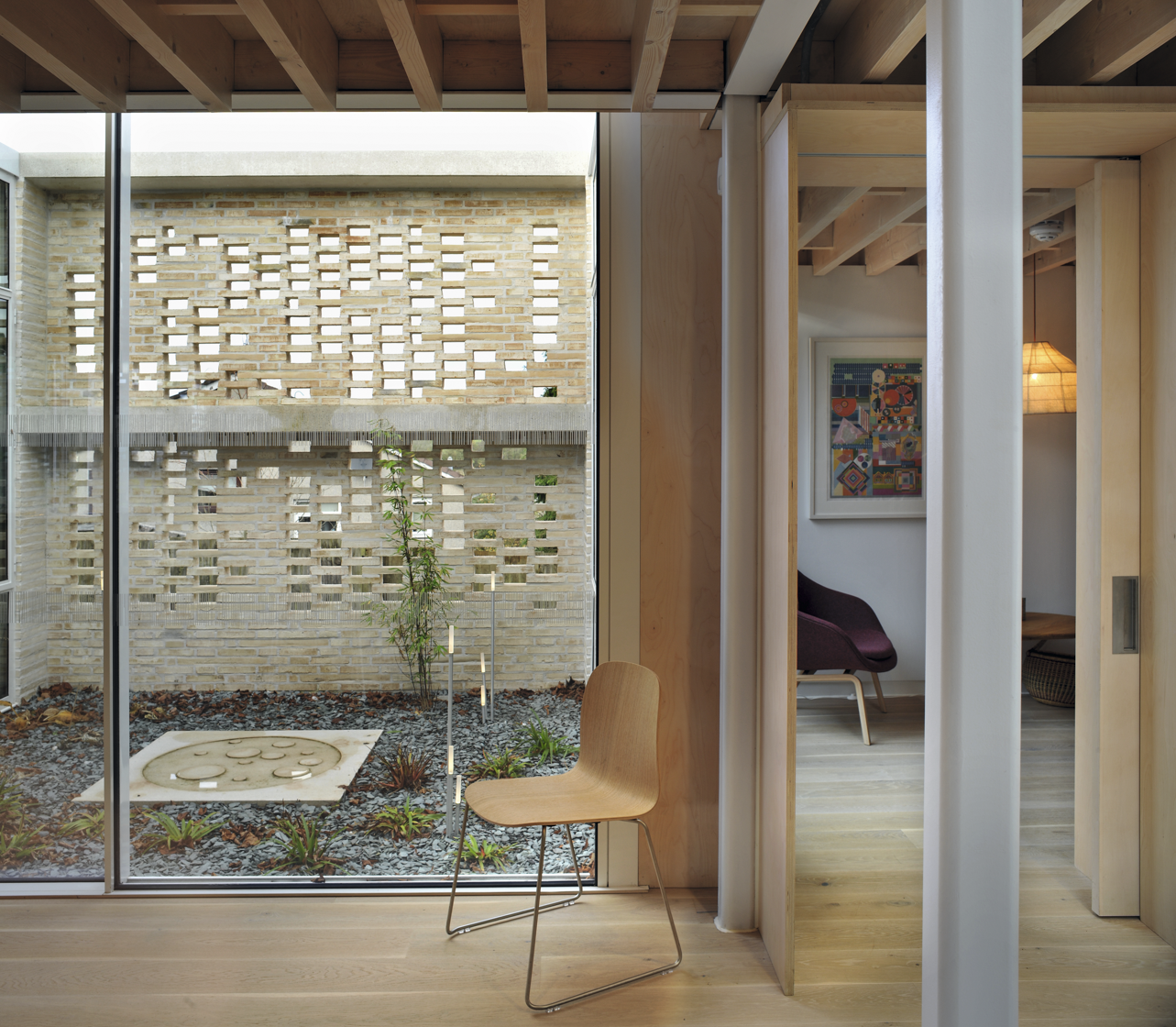
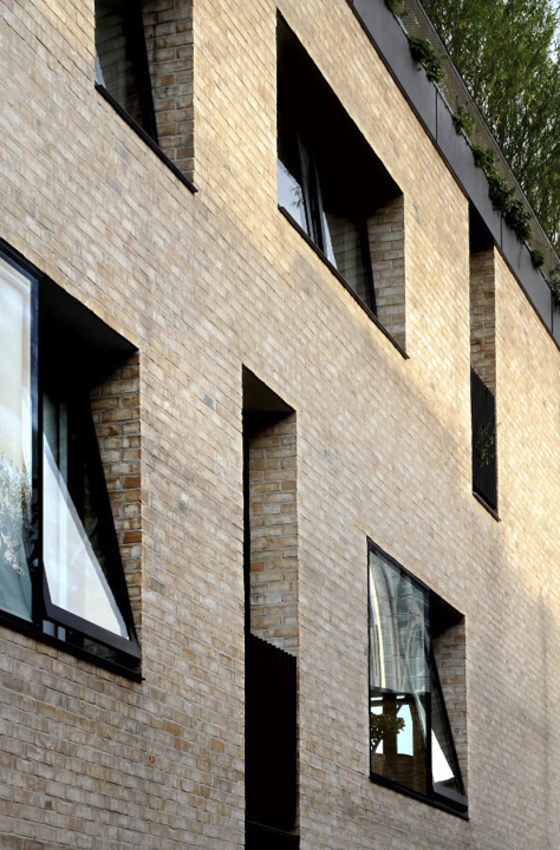
Designed by Reiach & Hall Architects, the building consists of a low brick form that gently folds around a series of enclosed gardens. These external rooms allow light, air, and reflection to permeate the heart of the building — forming a meditative rhythm for visitors moving through the space. The walled garden, water features, and filtered views provide gentle transitions between public and private, openness and sanctuary.
This project demanded not only aesthetic and spatial sensitivity but a level of construction precision that few building envelopes require — achieved through EBM’s close design coordination and advanced brick specification.
Our Services
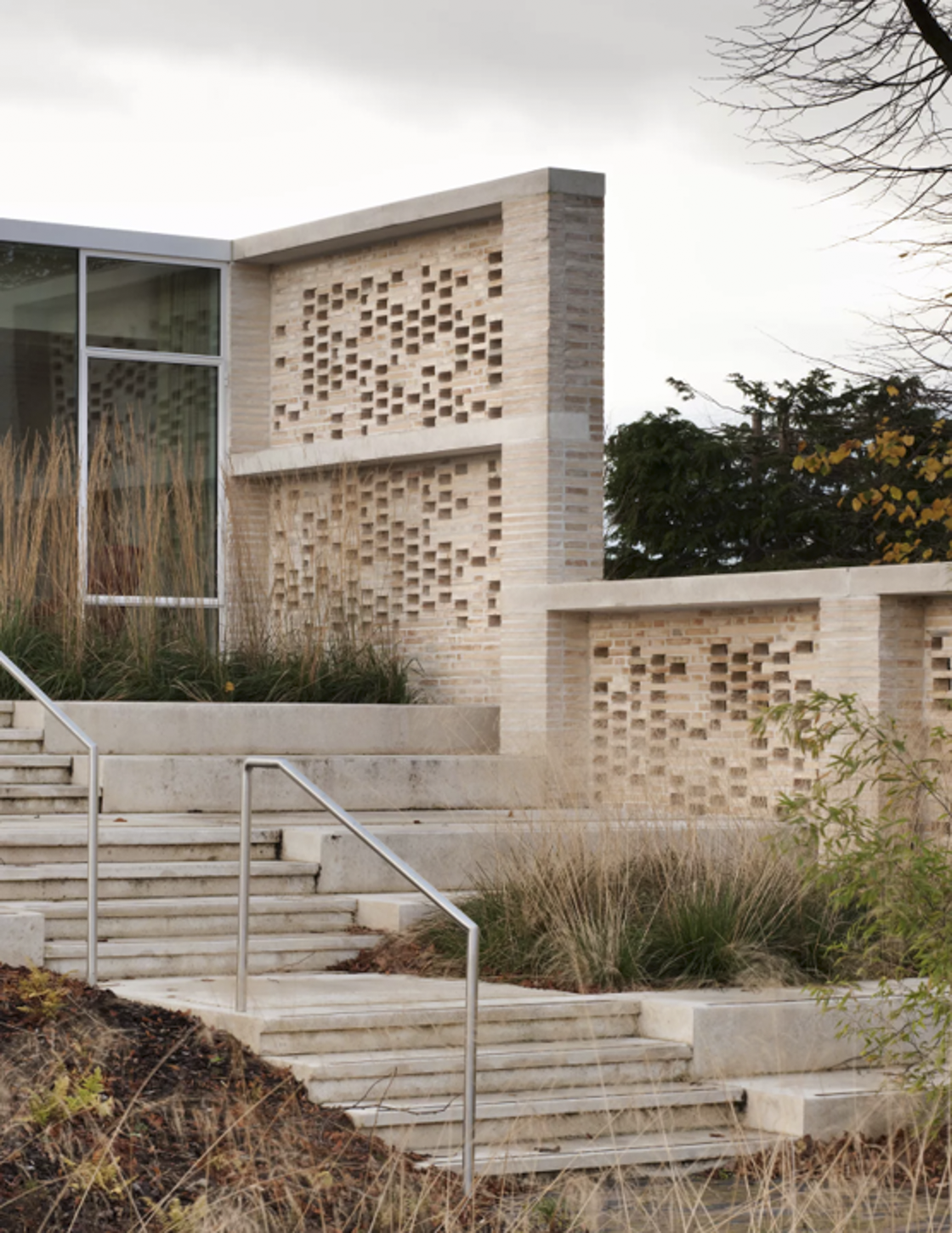
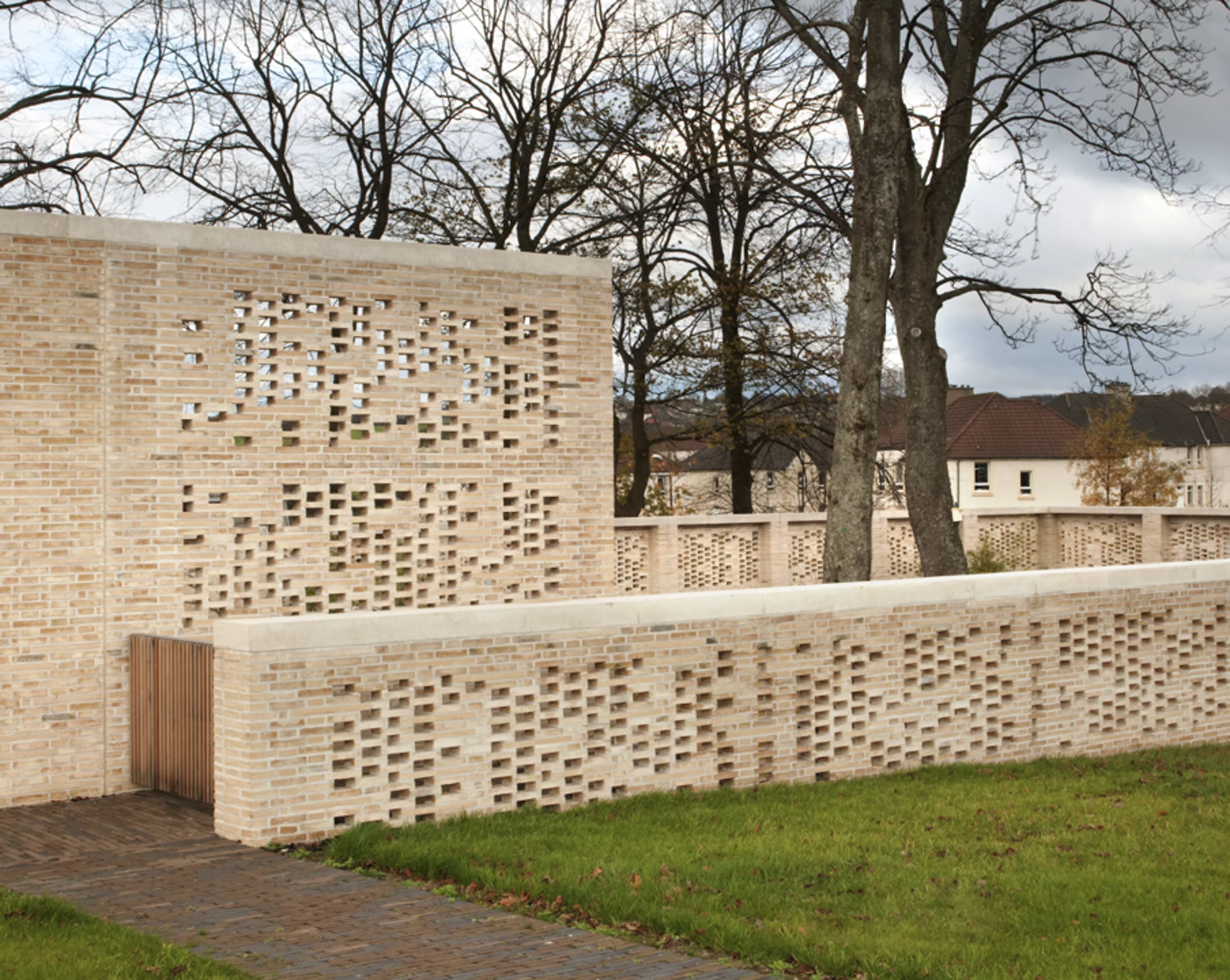
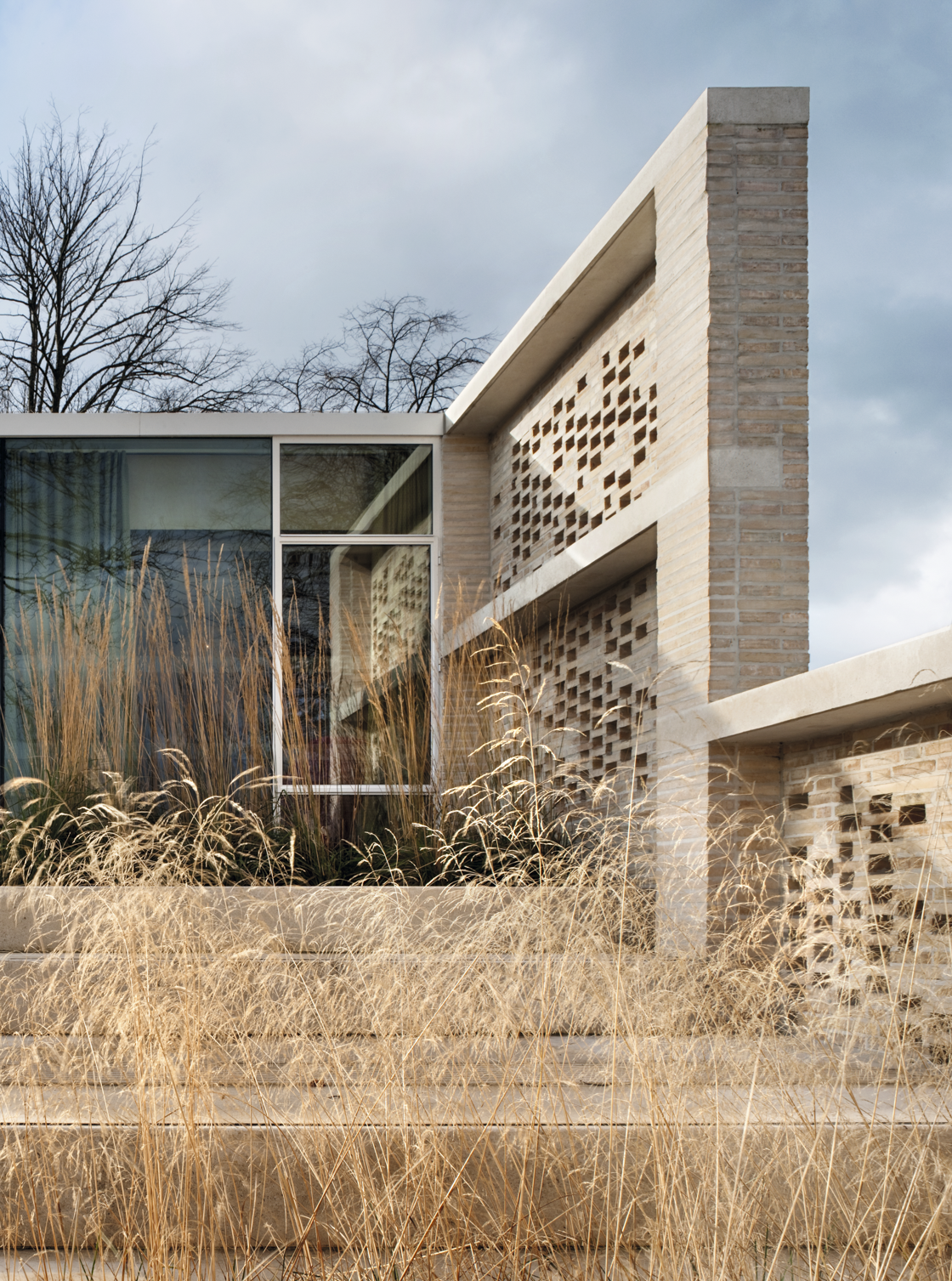
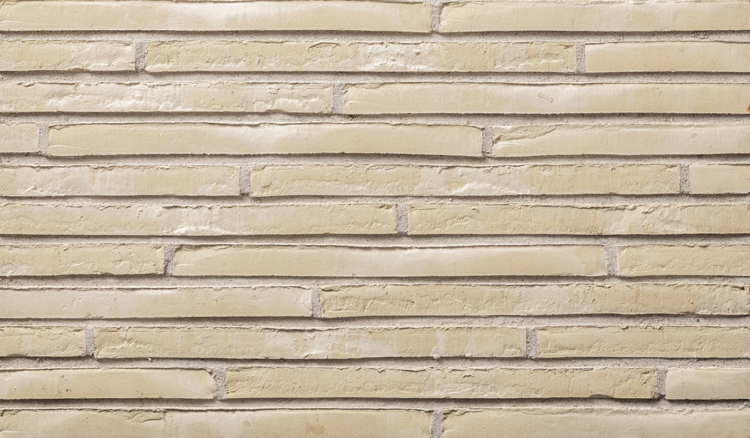
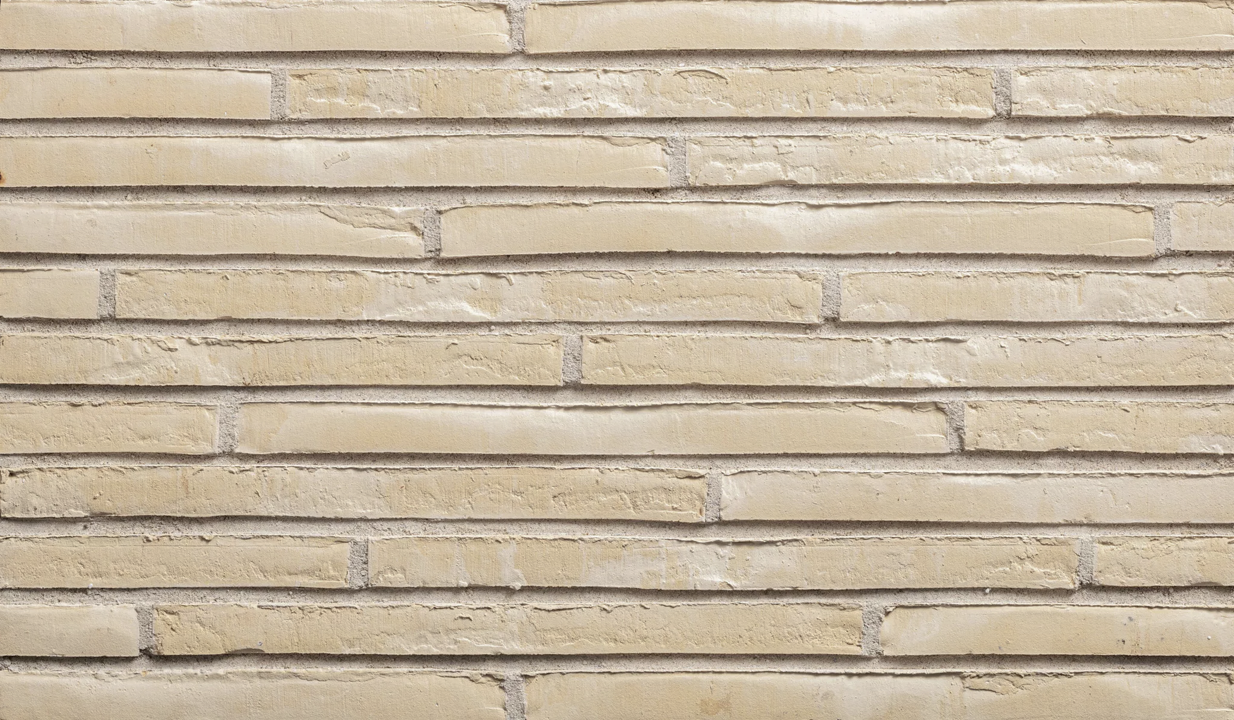
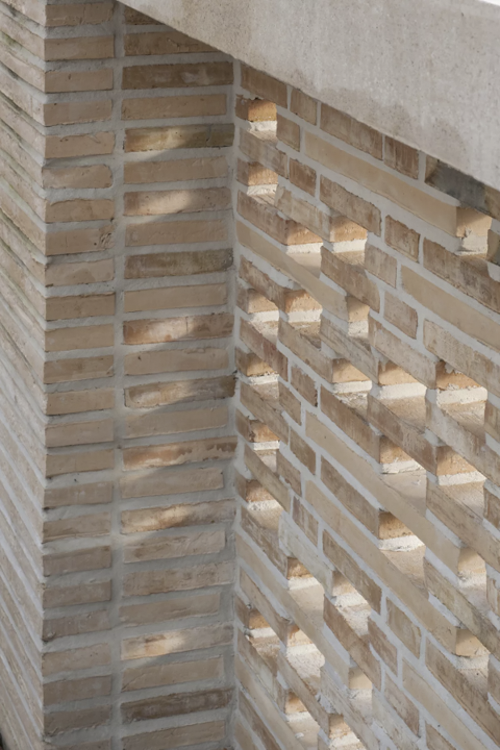
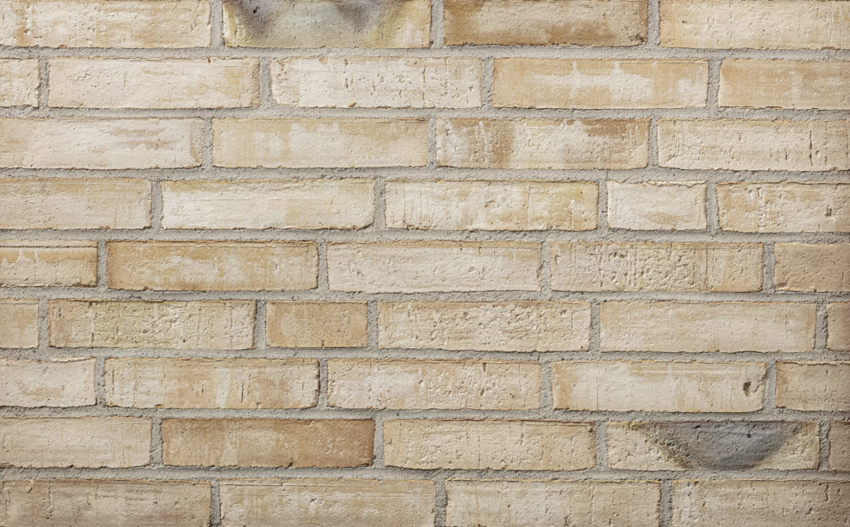
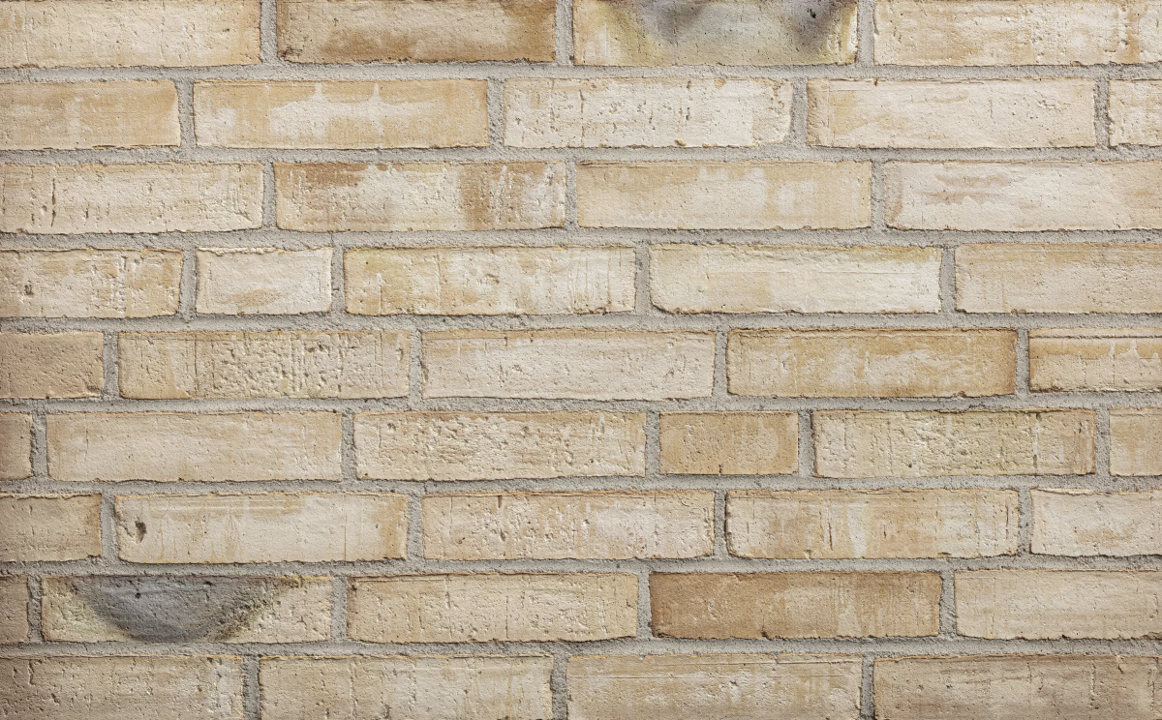
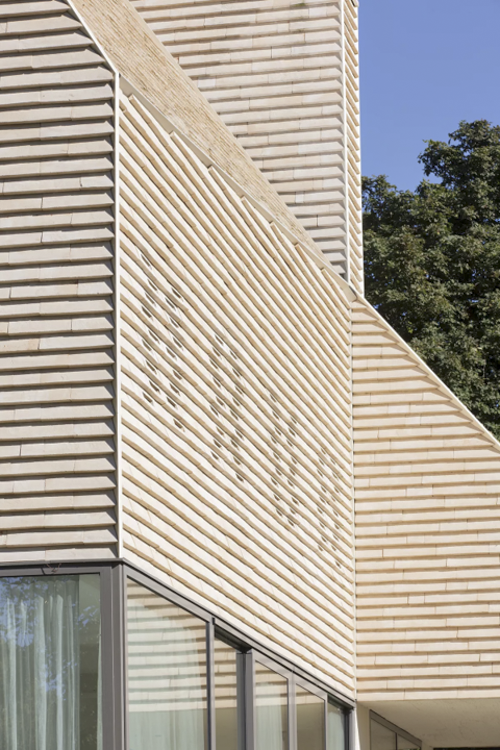
EBM’s involvement included: Coordination with Petersen to source and deliver custom brick formats, detailed mapping of every individual brick unit, ensuring exact placement to achieve the perforated pattern, advice on layout geometry, spacing, bonding techniques and tolerances, and managing complex sequencing during construction to maintain structural integrity within the open-weave wall system
Described by our team as “one hell of a jigsaw,” this façade system required not just technical precision, but artistry — blending engineering discipline with architectural ambition. Maggie’s Lanarkshire stands as one of EBM’s most technically intricate and emotionally resonant projects. Every brick in the perforated wall was placed with intent — the result of deep collaboration between architect, brickmaker, and façade specialist.
This project showcases EBM’s ability to deliver premium, specification-driven brick cladding systems for some of the UK’s most highly regarded architectural work — where every detail supports the user experience and architectural vision.
Location
Key challenges
1/ Coordinating nine different brick types into a woven, semi-transparent façade
2/ Ensuring load stability and pattern alignment for a non-repeating design
3/ Balancing privacy and openness through highly calibrated openings
4/ Maintaining collaborative precision over a long delivery phase
Highlights & Achievements
- — RIBA National Award
- — Civic Trust Awards – Special Award for Scotland
- — RIAS Andrew Doolan Best Building Finalist
- — GIA Supreme Award
- — Scottish Design Awards – Public Building of the Year
- — RIBA Stirling Prize – Finalist
Materials used
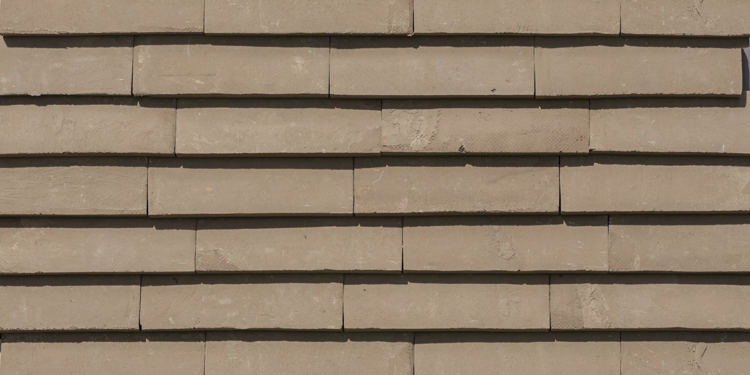
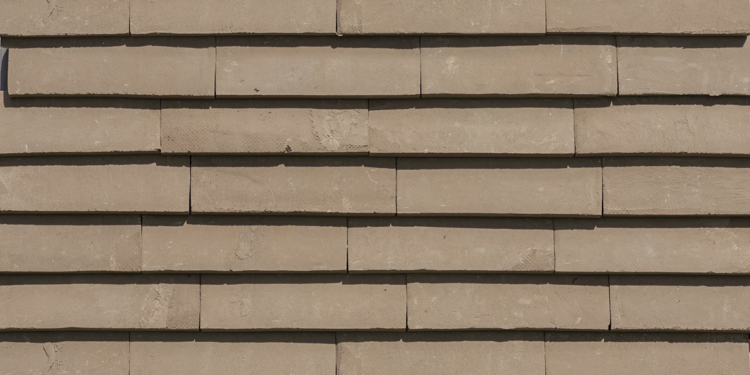
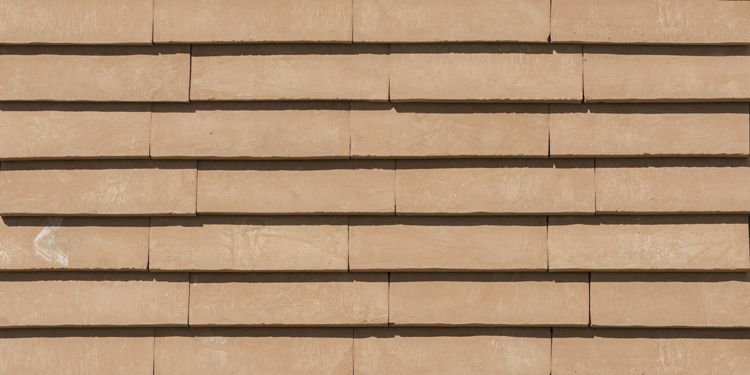
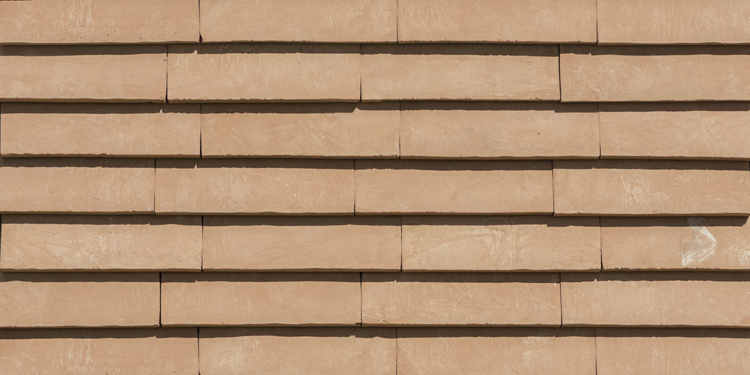
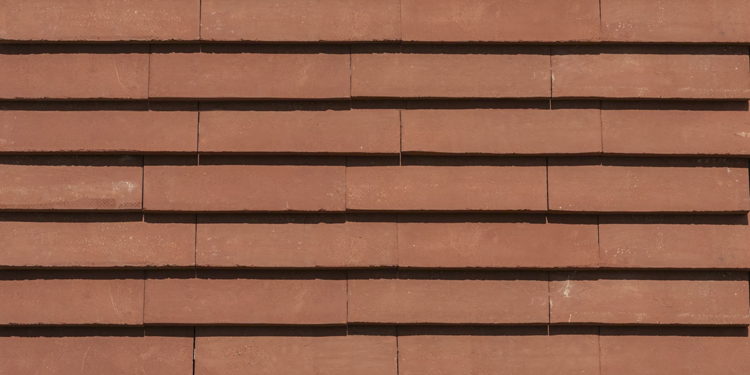
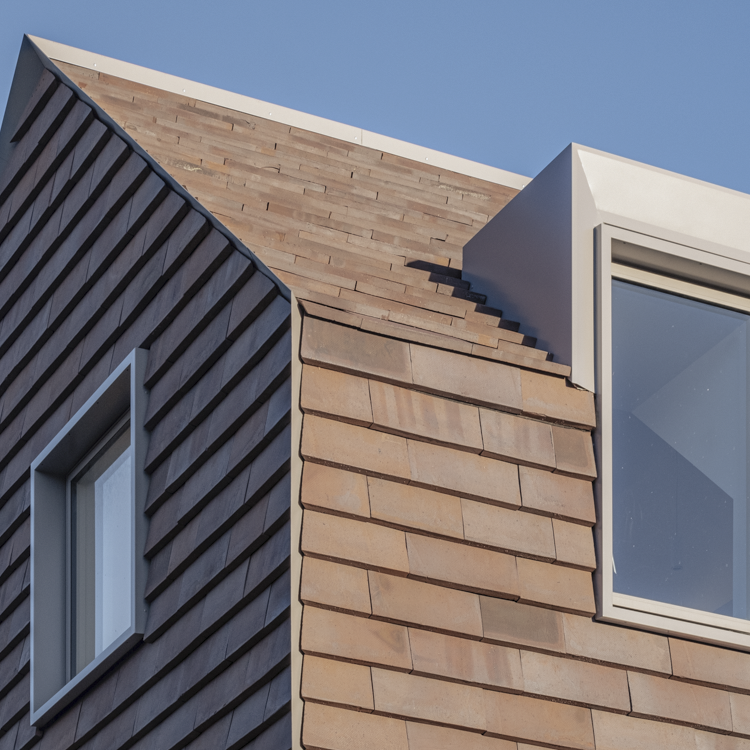
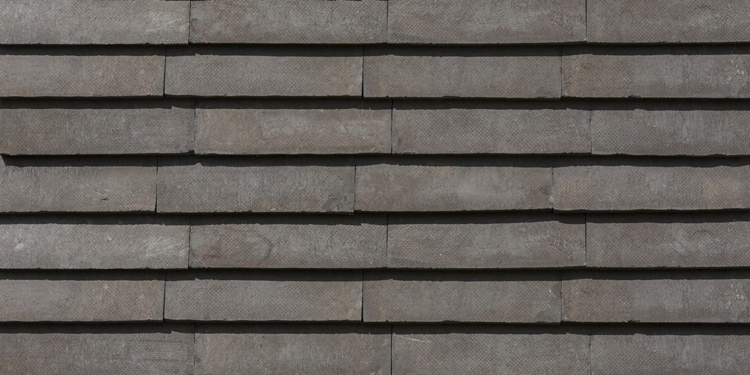
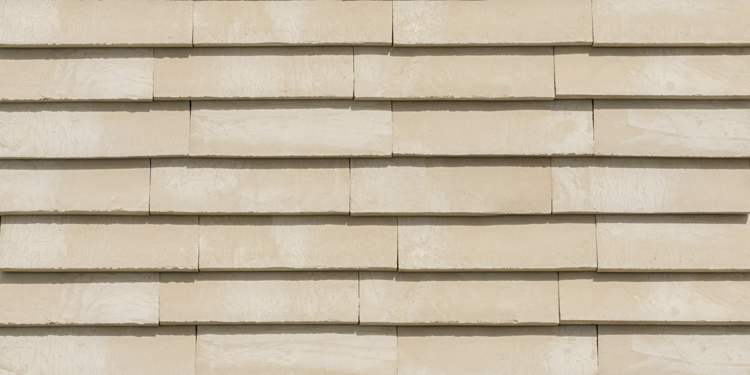
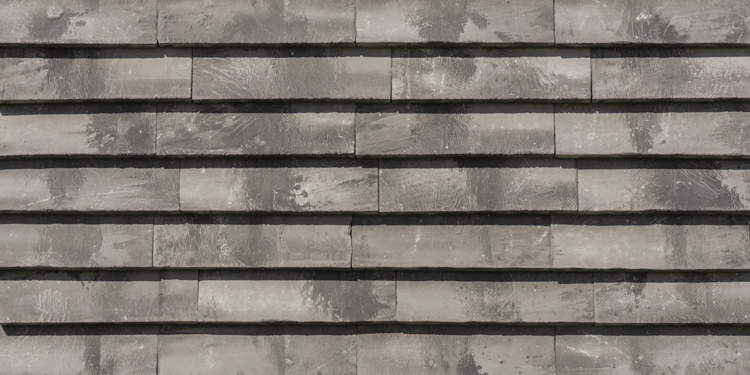
C22
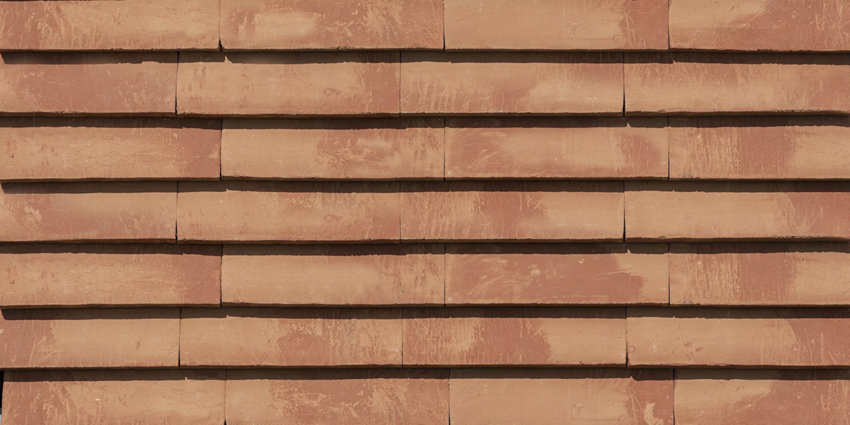
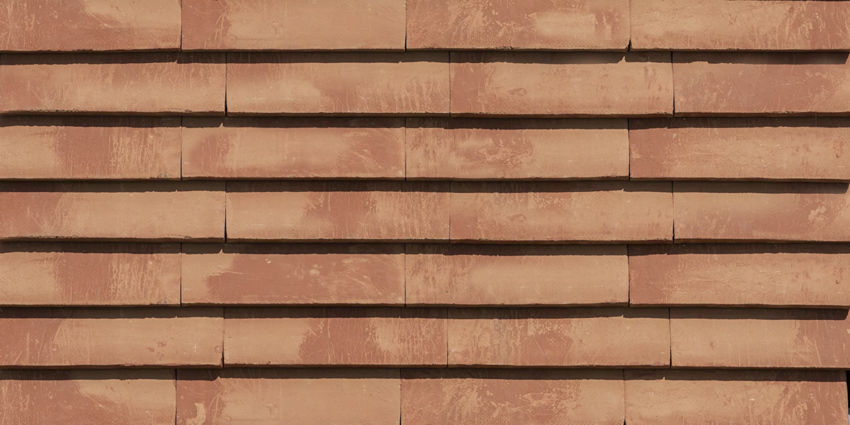
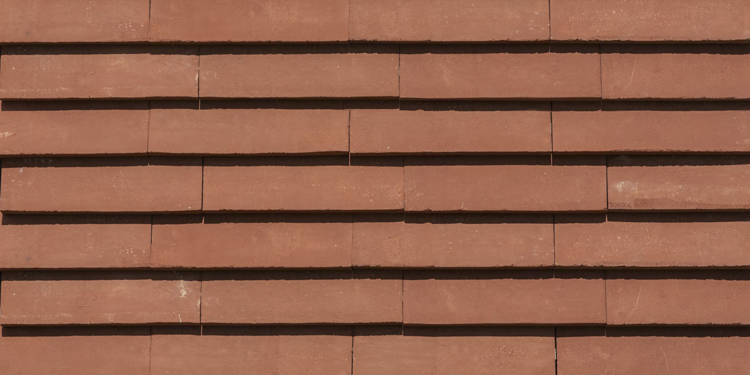
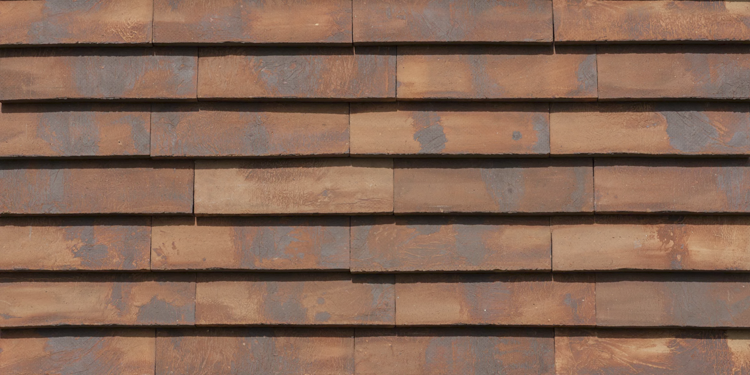
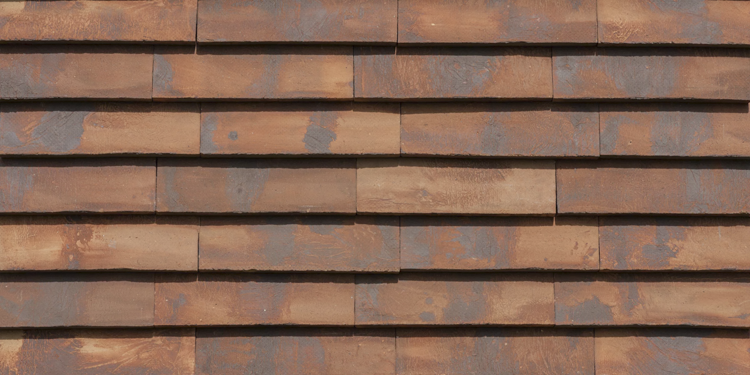
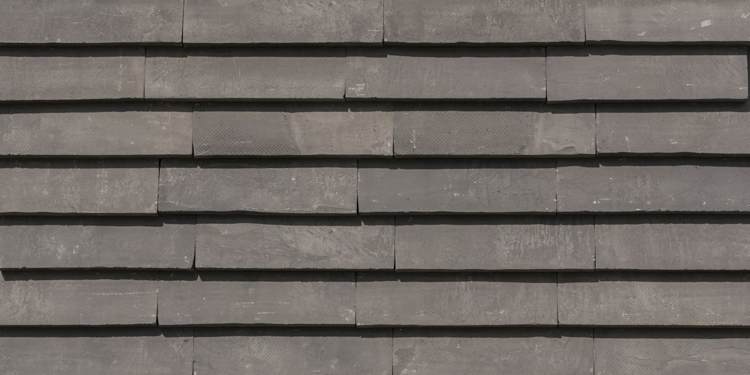
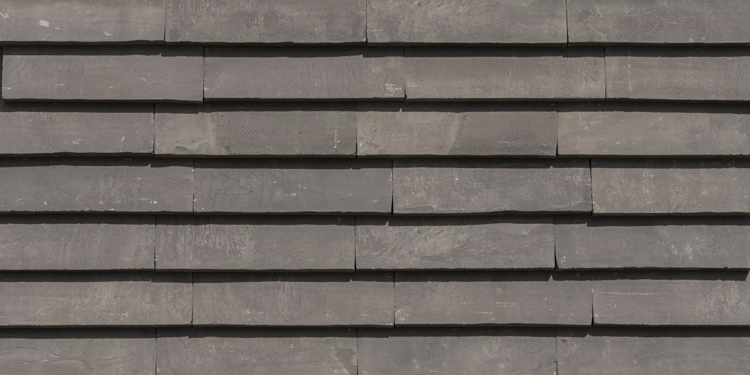
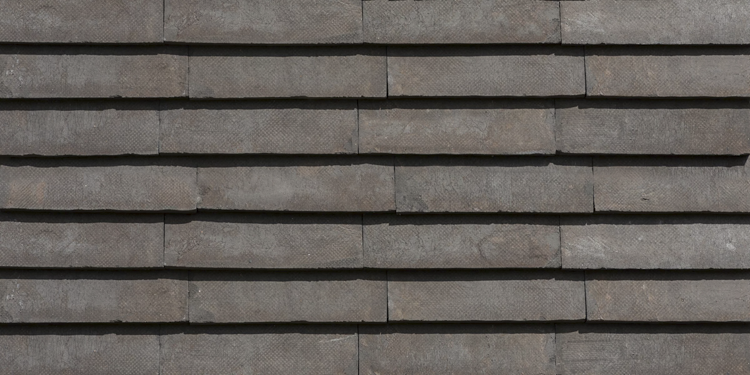
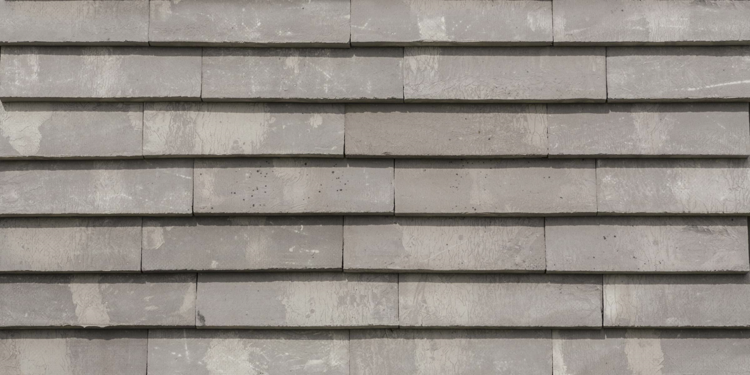
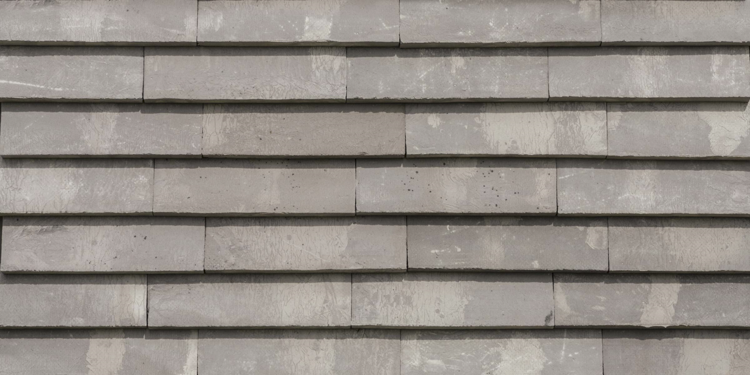
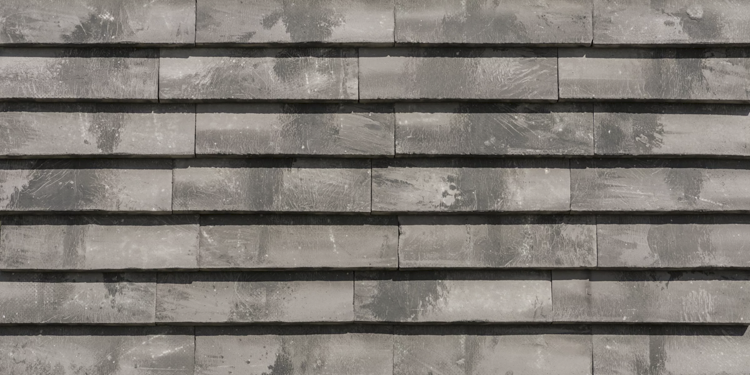
C50
Other projects
